Enhancing Local Quality of Life Through Community-Based Tourism

Updated: Apr 7
Community-based tourism (CBT) is more than just a travel trend; it is a powerful tool for enhancing local quality of life. By engaging local communities in tourism development, CBT fosters economic growth, cultural preservation, and environmental sustainability. This blog post explores how community-based tourism can transform local areas, improve residents' lives, and create memorable experiences for visitors.
Understanding Community-Based Tourism
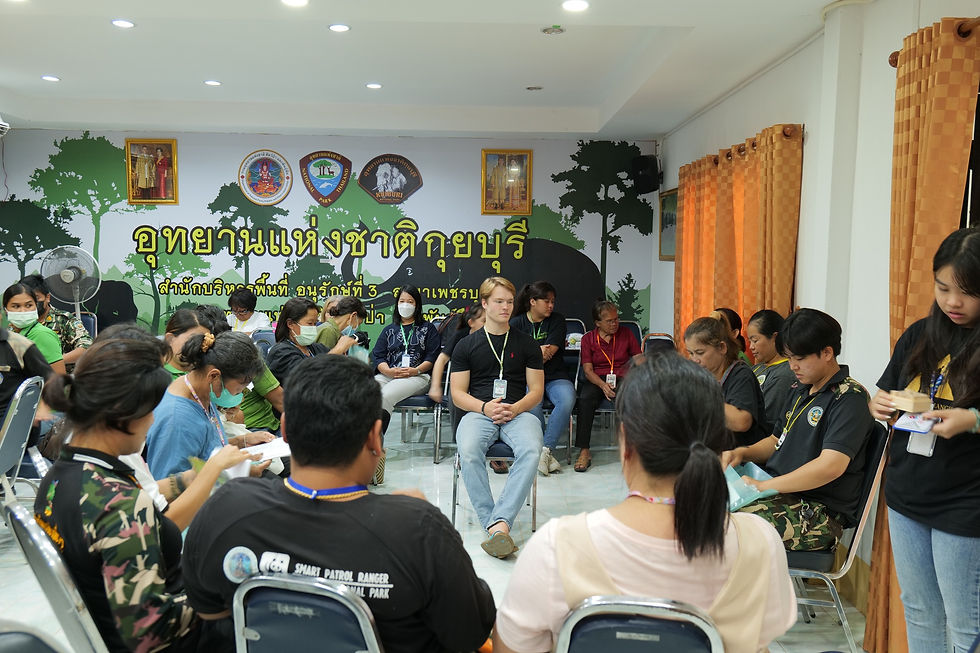
Community-based tourism is a model that emphasizes the involvement of local communities in the tourism process. Unlike traditional tourism, which often prioritizes profit over people, CBT focuses on the needs and aspirations of local residents. This approach ensures that tourism benefits the community economically, socially, and environmentally.
Key Characteristics of Community-Based Tourism
Local Involvement: Community members actively participate in planning and managing tourism activities.
Cultural Exchange: Visitors engage with local traditions, customs, and lifestyles, fostering mutual understanding.
Sustainable Practices: CBT promotes environmentally friendly practices that protect natural resources and cultural heritage.
Economic Benefits: A significant portion of tourism revenue stays within the community, supporting local businesses and initiatives.
The Benefits of Community-Based Tourism
Economic Growth
One of the most significant advantages of community-based tourism is its potential to stimulate local economies. By attracting visitors, communities can generate income through various channels:
Job Creation: CBT creates employment opportunities in hospitality, guiding, and local crafts.
Support for Local Businesses: Tourists often purchase goods and services from local vendors, boosting small businesses.
Investment in Infrastructure: Increased tourism can lead to improvements in local infrastructure, such as roads, sanitation, and public facilities.
Cultural Preservation
Community-based tourism plays a crucial role in preserving local cultures and traditions. When communities share their heritage with visitors, they reinforce their identity and pride. This exchange can lead to:
Revitalization of Traditions: Communities may revive traditional crafts, music, and dance as a way to attract tourists.
Cultural Education: Visitors gain insights into local customs, fostering respect and appreciation for different ways of life.
Environmental Sustainability
CBT encourages sustainable tourism practices that protect the environment. By prioritizing conservation, communities can:
Protect Natural Resources: Sustainable tourism practices help preserve ecosystems and biodiversity.
Promote Eco-Friendly Initiatives: Communities can develop eco-lodges, nature trails, and conservation programs that attract environmentally conscious travelers.
Case Studies of Successful Community-Based Tourism
1. The Maasai Mara, Kenya
In the Maasai Mara region, community-based tourism has transformed the lives of local Maasai people. By partnering with eco-tourism companies, the Maasai have developed cultural experiences for visitors, such as guided village tours and traditional dance performances. This initiative has led to:
Increased income for families through tourism-related activities.
Enhanced awareness of wildlife conservation efforts, as tourists are educated about the importance of protecting the ecosystem.
2. The Sacred Valley, Peru
In the Sacred Valley of Peru, local communities have embraced CBT to showcase their rich cultural heritage. By offering homestays, guided tours, and workshops in traditional crafts, residents have created a sustainable tourism model that benefits everyone. Key outcomes include:
Economic empowerment for local artisans and farmers.
Preservation of ancient traditions, such as weaving and agricultural practices.
Implementing Community-Based Tourism
Steps to Develop a Community-Based Tourism Initiative
Engage the Community: Involve local residents in discussions about tourism development. Gather input on their needs, desires, and concerns.
Conduct Research: Assess the area's tourism potential, including attractions, cultural assets, and environmental considerations.
Create a Plan: Develop a comprehensive tourism plan that outlines goals, strategies, and responsibilities.
Build Partnerships: Collaborate with local governments, NGOs, and tourism organizations to gain support and resources.
Promote the Initiative: Use marketing strategies that highlight the unique aspects of the community and its offerings.
Challenges to Consider
While community-based tourism offers numerous benefits, it also presents challenges that must be addressed:
Balancing Tourism and Local Life: Communities must find ways to welcome visitors without compromising their daily lives and traditions.
Managing Visitor Impact: It is essential to monitor the effects of tourism on the environment and local culture to ensure sustainability.
Capacity Building: Communities may require training and resources to effectively manage tourism initiatives.
The Role of Technology in Community-Based Tourism
Technology can enhance community-based tourism by improving communication, marketing, and visitor experiences. Some ways technology can be leveraged include:
Online Platforms: Websites and social media can help communities promote their tourism offerings and connect with potential visitors.
Mobile Apps: Apps can provide information about local attractions, events, and cultural practices, enriching the visitor experience.
Virtual Tours: Virtual reality experiences can showcase a community's culture and environment, attracting interest from travelers.
Conclusion
Community-based tourism is a powerful approach to enhancing local quality of life. By prioritizing the needs of residents, communities can create sustainable tourism models that benefit everyone involved. As travelers increasingly seek authentic experiences, the potential for community-based tourism to thrive is greater than ever.
Communities that embrace this model not only improve their economic prospects but also preserve their cultural heritage and protect their environment. As we move forward, it is essential to support and promote community-based tourism initiatives that empower local residents and create lasting positive change.
Call to Action
If you are a traveler, consider choosing community-based tourism experiences on your next trip. Support local businesses, engage with residents, and contribute to the preservation of cultural heritage. Together, we can enhance local quality of life through meaningful travel experiences.


Comments